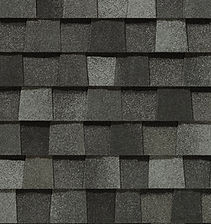
Hailstorms Sweep Through Maryland – July 28, 2026

Strong to severe thunderstorms moved across portions of Maryland on Tuesday, July 28, 2026, producing several reports of large hail measuring 1.00 inch to 2.50 inches in diameter. The largest confirmed hailstone measured an impressive 2.50 inches near Taylors Island in Dorchester County, while 1.75-inch hail was reported both 1 mile north of Highlandtown in Baltimore City and in Dundalk, Baltimore County.
A separate report of 1.00-inch hail was received from Halfway in Washington County. Large hail was also accompanied by damaging winds, flooding, and scattered power outages in parts of central Maryland.

Confirmed Maryland Hail Reports – July 28, 2026
Location | County | Hail Size |
Halfway | Washington County | 1.00 inch |
Highlandtown (1 mile north) | Baltimore City | 1.75 inches |
Dundalk | Baltimore County | 1.75 inches |
Taylors Island | Dorchester County | 2.50 inches |
What Kind of Damage Can This Hail Cause?
Even 1.00-inch hail (approximately quarter-sized) is considered severe by the National Weather Service because it is large enough to damage many exterior components of a home. As hail size increases to 1.75 inches (golf ball-sized) and 2.50 inches (tennis ball-sized), the potential for significant property damage rises dramatically.
For homeowners, the most common damage includes:
Bruising, cracking, and granule loss on asphalt shingles.
Dented aluminum flashing, gutters, downspouts, fascia, and soffit.
Damage to window screens, shutters, and metal trim.
Cracked vinyl siding and broken exterior fixtures.
Broken skylights or windows in the largest hail events.
Aluminum Siding Is Especially Vulnerable
One of the most commonly overlooked forms of hail damage is dented aluminum siding. Unlike roofing damage, which may not be immediately visible from the ground, hail dents on aluminum siding often remain permanently visible and can substantially affect a home's appearance and value.

In many cases, 1.00-inch hail is large enough to dent aluminum siding, particularly when driven by strong winds. Hailstones measuring 1.75 inches or larger frequently produce widespread denting across multiple elevations of a home, including:
Aluminum siding
Fascia and trim capping
Gutters and downspouts
Window and door wrapping
Garage doors and other painted metal surfaces
Because aluminum cannot be repaired once dented, replacement is often the only way to restore the home's original appearance.
Roof Damage Isn't Always Obvious
Many homeowners assume they would notice hail damage immediately. Unfortunately, that's often not the case. Hail impacts can bruise or fracture asphalt shingles without creating obvious leaks for months or even years. These weakened areas may eventually deteriorate faster than the surrounding roof, shortening its service life.
Professional inspections often reveal damage that cannot be seen safely from the ground.
What Homeowners Should Do
If your home was located in or near Washington County, Baltimore County, Baltimore City, or Dorchester County on July 28, 2026, it's a good idea to have your home's exterior professionally inspected—even if you don't see obvious damage.
A thorough inspection should include:
The roof
All elevations of siding
Gutters and downspouts
Aluminum trim and flashing
Window and door capping
Other exterior metal components
Early documentation is important because insurance companies often require timely reporting of storm-related damage. Identifying hail damage sooner rather than later also helps prevent disputes over whether damage resulted from a recent storm or normal wear over time.
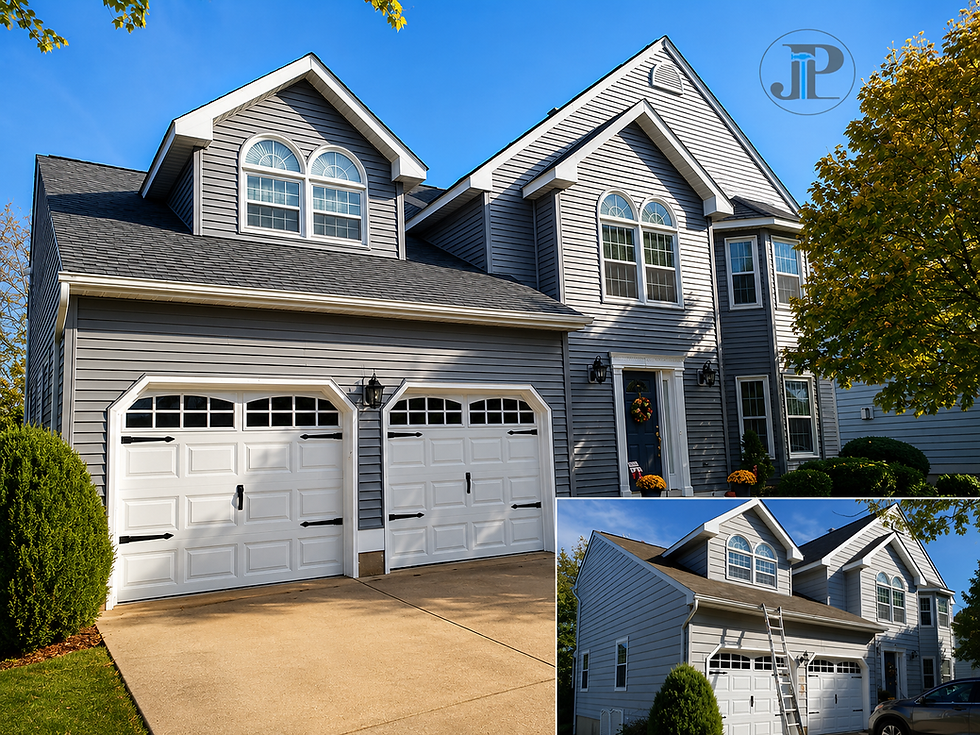
While not every home in these counties sustained damage, those located within the path of the largest hailstones may have experienced significant impacts that warrant a professional evaluation.
Call JP Construction now at (410) 816-5544 to schedule your free hail damage assessment, or schedule your free hail damage inspection online.