The Ideal Siding Replacement Project: If It Were My House
- Staff
- 2 hours ago
- 4 min read

Homeowners often ask me, "If this were your house, what would you do?"
After more than 20 years in the exterior remodeling business, I've given this answer a lot of thought. While every home and budget is different, there is a combination of products and design choices that I believe creates one of the best-looking, best-performing siding projects possible.

Here's what I would choose if I were replacing the siding on my own home.
Start With the Right Insulation
If I'm investing in new siding, I'm also upgrading the insulation underneath.
My choice would be Low-E insulation. There are thicker foam insulation products on the market with higher advertised R-values, but they come with a tradeoff: they push the siding farther away from the house. That can create deeper window recesses, require additional trim work, and sometimes make the finished project look bulky.
Low-E offers an excellent balance. It provides a significant boost in energy efficiency while remaining thin enough to come in a roll. Because it's so thin, it doesn't dramatically alter the appearance of the home the way thicker foam products can.

In my opinion, there isn't a better combination of thinness and thermal performance available today.
Choose a Premium Siding
For the siding itself, I would install CertainTeed Monogram.
One of the biggest differences between budget siding and premium siding is thickness. Thicker siding panels are more rigid, resist waviness, and generally create straighter, cleaner-looking lines across the home.
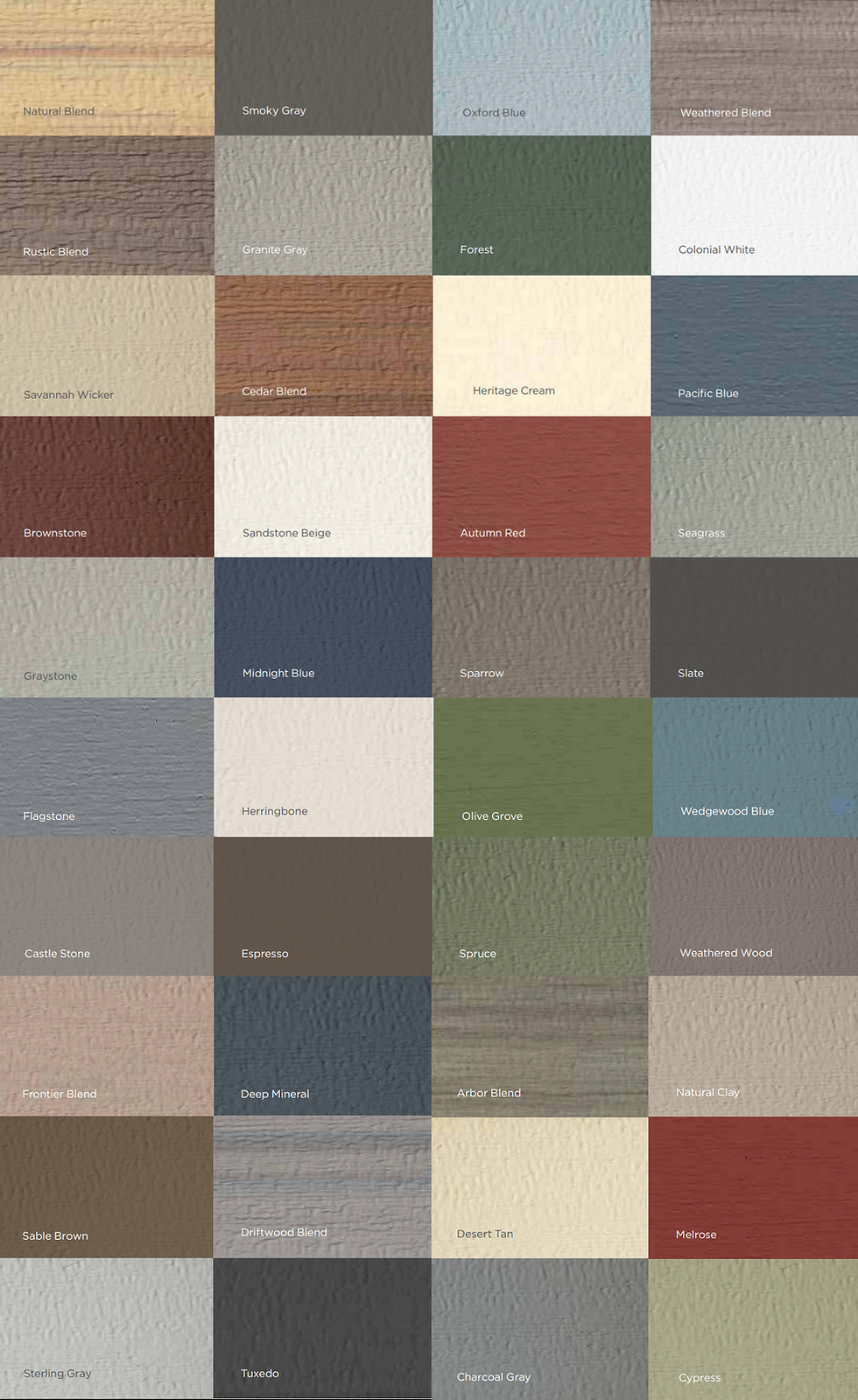
CertainTeed Monogram has long been one of my favorite products because it strikes a great balance between appearance, durability, and long-term value. A quality installation is important, but starting with a thicker premium siding gives you a much better finished product from day one.
Pay Attention to Seam Placement
One of the most overlooked aspects of a siding project is seam placement.
Before ordering materials, I would measure the home and identify the longest wall runs. The goal would be to determine whether using 16-foot siding panels instead of standard lengths would significantly reduce visible seams.
Many homes naturally break up siding runs with windows, garages, gables, bump-outs, and other architectural features. With thoughtful planning, a surprising number of seams can be hidden or eliminated altogether.
For homes with longer uninterrupted wall sections, upgrading to 16-foot panels can noticeably improve the finished appearance. This isn't always necessary, but it's something I would absolutely evaluate before placing a material order.
Don't Be Afraid of Dark Colors
If it were my house, I'd probably go dark.
Over the last several years, darker siding colors have become increasingly popular, and for good reason. Deep grays, charcoals, dark blues, and other rich colors create a bold, modern appearance that stands out without looking trendy.

Dark colors also create excellent contrast opportunities with trim, windows, shutters, and architectural accents.
Add an Accent Feature
One of the biggest design opportunities on many homes is the ability to create visual contrast.

If my house had a naturally divided section on the front elevation, I'd strongly consider using an accent color or accent style there. Gables are another great location for accents. Cedar-style shakes, board and batten, or a contrasting siding color can create visual interest without overwhelming the overall design.

A well-placed accent feature can completely transform the appearance of a home.
Black Trim and Black Gutters
This is where some people think I've lost my mind.
If I were choosing trim and gutters for my own house, I'd seriously consider black.
Black trim and black gutters create a sharp, high-end appearance that photographs incredibly well and gives a home a custom look.

Many homeowners are skeptical until they actually see examples in person. Once they do, they often realize just how striking the combination can be. Paired with a darker siding color, black trim and gutters can create a modern, sophisticated look that stands out from the surrounding homes.
Rethink Traditional Shutters
Traditional shutters aren't always necessary.
In many cases, I prefer using a thicker black window trim package instead. It creates clean lines around the windows and gives the home a more substantial appearance.
That said, black shutters can still look fantastic on the right home and with the right architectural style.

The key is making sure the shutters are properly sized and proportioned rather than treating them as an afterthought.
The Finished Product
If I were building my ideal siding replacement project today, it would likely include:
Low-E insulation
CertainTeed Monogram siding
Strategic use of 16-foot panels where beneficial
A darker siding color
An accent feature on the front elevation or gables
Black trim
Black gutters
Either substantial black window trim or properly sized black shutters
The result would be a home that looks modern, clean, and high-end while also improving energy efficiency and long-term durability.
Most importantly, it would be a project designed around both performance and appearance—because a siding project should do more than simply replace old materials. It should make you proud every time you pull into the driveway.

In the market for new siding? Want to really make your house stand out? If you live within our service area, give us a call at (877) 846-9566 to schedule your free siding consultation, or schedule online.